
The Science of Better Sleep: How to Wake Up Energized Using Neuroscience and Habit Design
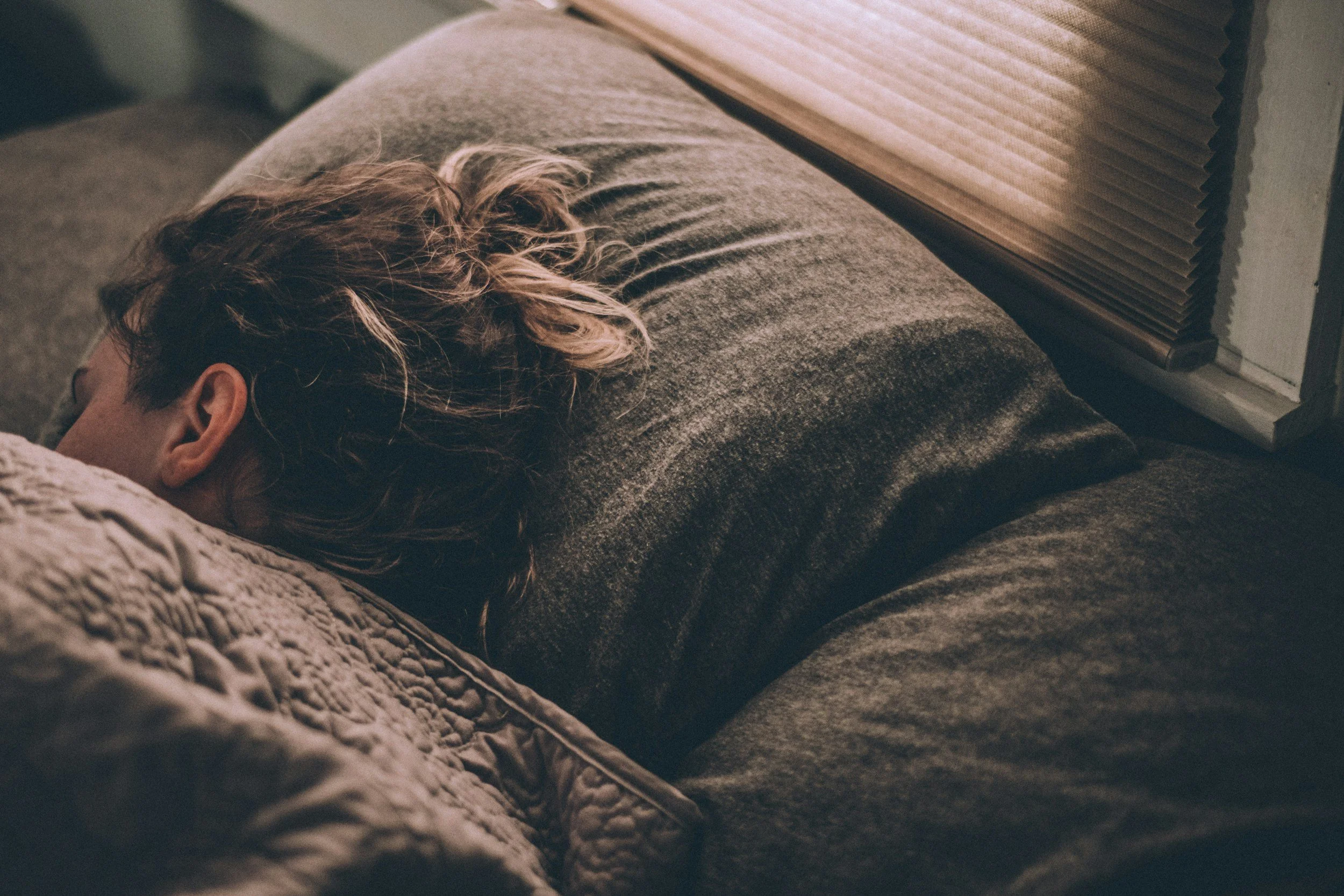
Discover evidence-based sleep strategies from neuroscience research and behavioral psychology. Learn how to optimize your sleep routine for better energy, mood, and performance.
Why Your Sleep Routine Determines Tomorrow's Success
Quality sleep isn't just about feeling rested—it's the foundation of mental clarity, emotional regulation, and physical health. According to neuroscience research, your sleep-wake cycle directly impacts dopamine levels, learning capacity, and decision-making ability. Yet most people approach sleep passively, hoping it will somehow improve on its own.
The good news? Small, strategic changes to your sleep habits can create dramatic improvements in how you feel and perform.
Light Exposure: Your Most Powerful Sleep Tool
Neuroscience research reveals that light exposure is the primary regulator of your circadian rhythm. Here's how to harness this:
Morning light protocol: Get 10-30 minutes of natural sunlight within 30-60 minutes of waking (longer on cloudy days). This triggers a cortisol spike that promotes alertness and sets a timer for melatonin production 12-16 hours later. Even on cloudy days, outdoor light is significantly more effective than indoor lighting.
Evening light management: Dim lights 2-3 hours before bed and avoid bright overhead lights. Blue light from screens suppresses melatonin production, so use blue-light blocking glasses or switch devices to night mode after sunset.
The Atomic Habit Approach to Sleep Consistency
Small improvements compound over time. Rather than overhauling your entire routine, focus on making sleep "obvious, attractive, easy, and satisfying" (from James Clear’s “Atomic Habits”):
Make it obvious: Set a visible bedtime alarm, just as you would for waking up. Place your phone charger outside the bedroom.
Make it attractive: Create a wind-down ritual you actually enjoy—herbal tea, light stretching, or reading fiction. Pair good sleep habits with immediate rewards.
Make it easy: Reduce friction by preparing your bedroom in advance. Set the temperature to 65-68°F (18-20°C), which research shows is optimal for sleep. Have your morning clothes ready so you can expose yourself to morning light immediately.
Make it satisfying: Track your sleep quality and morning energy levels. Celebrate the feeling of waking refreshed—this positive reinforcement strengthens the habit loop.
Connect With Your Future Self
Psychology research on temporal continuity shows that we often treat our future selves as strangers, discounting their needs. Poor sleep decisions feel costless in the moment but rob your future self of energy, mood stability, and cognitive performance.
Try this visualization: Before deciding to stay up late, imagine your future self tomorrow morning. Picture how you'll feel—groggy, irritable, reaching for extra caffeine. Now imagine the alternative: your future self waking naturally, energized and clear-headed, ready to tackle meaningful work. Which version do you want to gift to yourself?
The 90-Minute Sleep Cycle Strategy
Sleep occurs in approximately 90-minute cycles, moving through light sleep, deep sleep, and REM sleep. Waking up mid-cycle leaves you feeling groggy (sleep inertia), while waking at the end of a cycle feels more natural.
Calculate your wake time in 90-minute increments backward from when you need to wake up. For a 6:30 AM wake time, ideal sleep times would be 9:00 PM (9 cycles), 10:30 PM (8 cycles), or 12:00 AM (7 cycles).
Most adults need 7-9 hours (5-6 complete cycles) for optimal function.
Temperature and Sleep Quality
Your body temperature naturally drops during sleep. Support this process by:
Taking a hot shower 1-2 hours before bed (the subsequent cooling signals sleep onset)
Keeping your bedroom cool (65-68°F)
Using breathable bedding materials
Keeping hands and feet warm if needed (socks can help)
Caffeine Strategy for Better Sleep
Caffeine has a half-life of 5-6 hours, meaning half of the caffeine from your afternoon coffee is still in your system 6 hours later. For better sleep:
Avoid caffeine after 2 PM if you sleep at 10 PM
Consider a "caffeine curfew" 10-12 hours before bedtime
Morning caffeine is fine—it aligns with natural cortisol rhythms when delayed 90-120 minutes after waking
Start Small, Think Big
Don't try to implement everything at once. Choose one "keystone habit"—the intervention most likely to create a cascade of positive changes. For most people, this is morning light exposure. Master that first, then build from there.
Remember: Your sleep quality today shapes your future self tomorrow. Every time you choose sleep-supportive behaviors, you're voting for the person you want to become.
Ready to optimize your sleep? Start tonight with one small change: Set a bedtime alarm for 30 minutes before you want to sleep, and use those 30 minutes to dim lights and begin your wind-down routine. Your future self will thank you.
To your Legacy,